The playing layout
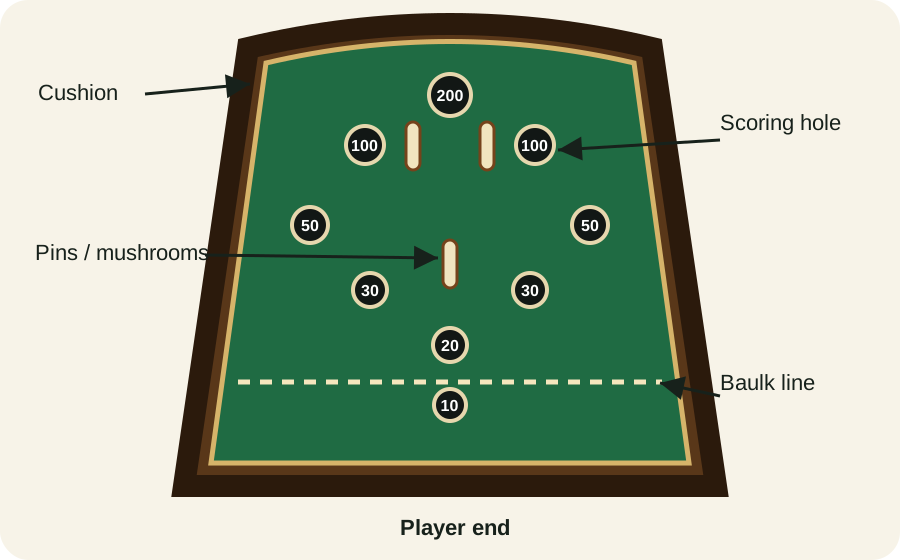
200 · 50 · 100 · 50
30 · pin · pin · 30
20 · black pin · 20
10
Baulk / player end
The diagram is conceptual rather than to scale. Actual hole and pin placement depends on the table pattern.
Common dimensions
AEBBA playing conditions specify a playing area between 138.4 and 143.5 cm in length and at least 78.7 cm in width, measured inside the cushions. Historical and home tables may differ. Always measure the actual cabinet, not only the playing bed, before buying or moving one.
Scoring holes
Standard English layouts commonly have nine holes: one 10, two 20s, two 30s, two 50s, one 100 and one 200. Internal channels direct scored balls into the return system.
Pins or mushrooms
Three-pin tables are widespread in organized English play. Four-pin or mushroom variants remain in some areas. Pin height, weight, shape and spot location matter because they affect both legality and difficulty.
Timer and ball return
The table is more mechanical than it first appears. A timed system regulates when balls return to the front. At the end of the timed period, a bar or gate prevents further returns, creating the final phase of play.
Bed, cloth and cushions
Construction varies by maker and era. Condition should be judged by level, roll consistency, cushion response, cloth wear, hole edges and the reliability of the internal return—not by cabinet appearance alone.
Historic makers
Names associated with British bar billiards tables include Sams, Jelkes, Riley, Burroughs & Watts and Clare. A maker's plate can help identify age or model, but undocumented modifications are common.
Regional variants
Narrow tables, home models, four-pin games and Channel Islands layouts can differ substantially. A table can be authentic without matching the most familiar English league pattern.
Last reviewed: August 2, 2026. Rules can vary by league and table type; consult your local competition rules.