1. Confirm it fits
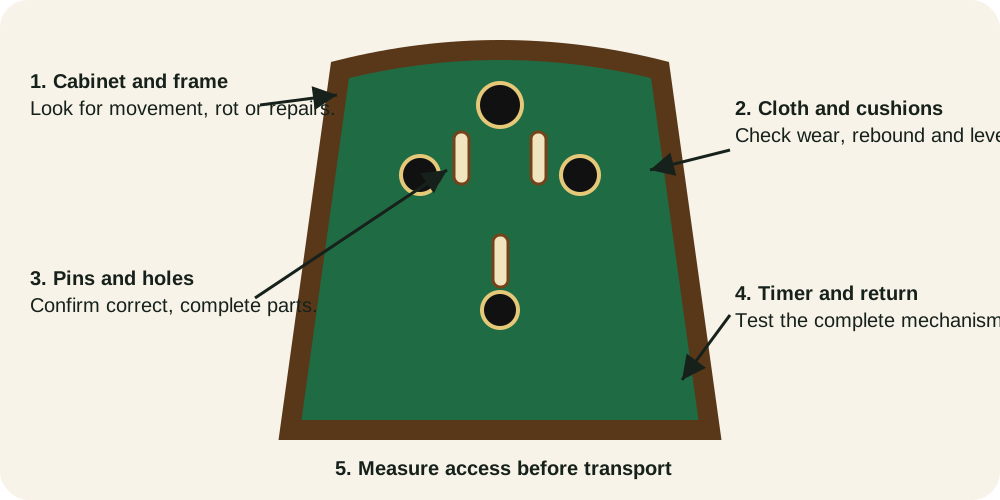
Measure the table's full cabinet, the route through doors and stairs, and the playing space required for a cue at the baulk end. These tables are compact compared with pool tables but can still be heavy and awkward.
2. Identify the variant
Count the holes and pins. Check the baulk area, maker's plate and playing dimensions. Decide whether you need league compatibility, a historical collector piece or simply a playable home table.
3. Inspect playing condition
- Is the bed level, stable and free from obvious warping?
- Do balls roll consistently?
- Are cushions lively and even?
- Is the cloth worn, torn or badly faded?
- Are hole rims damaged?
4. Test the mechanism
Run the timer through a complete cycle. Pot balls into every hole and verify the channels and return. Listen for sticking, delayed returns and loose parts. Mechanical work can be more important than re-clothing.
5. Check completeness
Confirm balls, pins, pin spots, scoring equipment, keys, internal gates and cabinet panels. Replacements exist, but missing original parts can affect cost and collector interest.
6. Calculate total landed cost
Purchase price is only one line. Add dismantling, specialist transport, stairs or lifting, levelling, cloth, cushions, mechanism repair and replacement equipment.
Questions to ask the seller
- Who made the table?
- Where was it used?
- When was it last serviced or re-clothed?
- Does the timer and final bar work?
- What repairs or modifications have been made?
- Can it be tested before collection?
Last reviewed: August 2, 2026. Rules can vary by league and table type; consult your local competition rules.