The objective
Score more points than your opponent before the table's time mechanism ends the game. A ball scores when it drops into one of the numbered holes. Higher-value holes are harder to reach and are commonly protected by pins that can wipe out a break or impose a penalty when knocked over.
What you play with
- A dedicated bar billiards table with holes in the playing surface
- A set of balls, commonly seven white and one red
- A cue
- Three or four pins, depending on the local form of the game
- A mechanical or electronic timer
Unlike pool, there are no side or corner pockets. All play is from one end of the table.
A turn, step by step
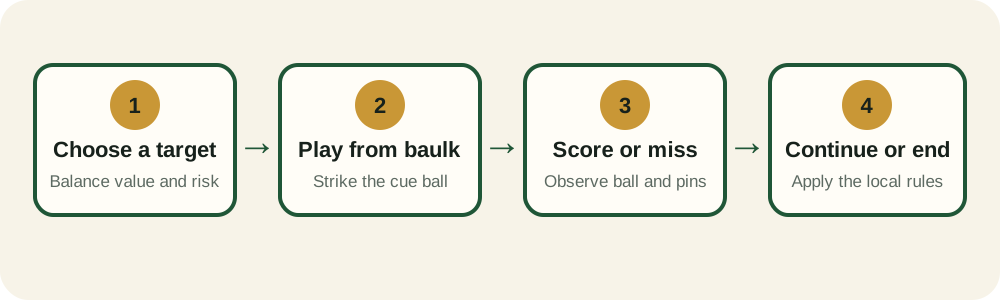
- Place the cue ball within the permitted baulk area.
- Strike it up the table with the cue.
- If a ball enters a scoring hole legally, add that value to the running break and continue.
- Return balls through the ball-return system as the table permits.
- When you fail to score or commit a foul, your turn ends and the next player begins.
The red ball
In the widely played English form, the red ball can double the value of the hole into which it is potted. Exact treatment can vary, so new players should confirm the house or league rule before starting.
Why the pins matter
Pins defend the high-value area. Knocking one over can end the turn and may erase the points accumulated in that break. The black pin is often associated with the harshest penalty. This risk-versus-reward choice is central to the game.
How the game ends
Traditional tables use a timer. Near the end, an internal bar may rise and prevent balls from returning to the front, so the remaining playable balls become limited. Once no legal ball remains or the mechanism closes play, totals are compared.
What to learn next
Read the scoring guide, then the complete rules guide. Once the basic flow feels natural, use the beginner strategy guide to improve shot selection.
Last reviewed: August 2, 2026. Rules can vary by league and table type; consult your local competition rules.